

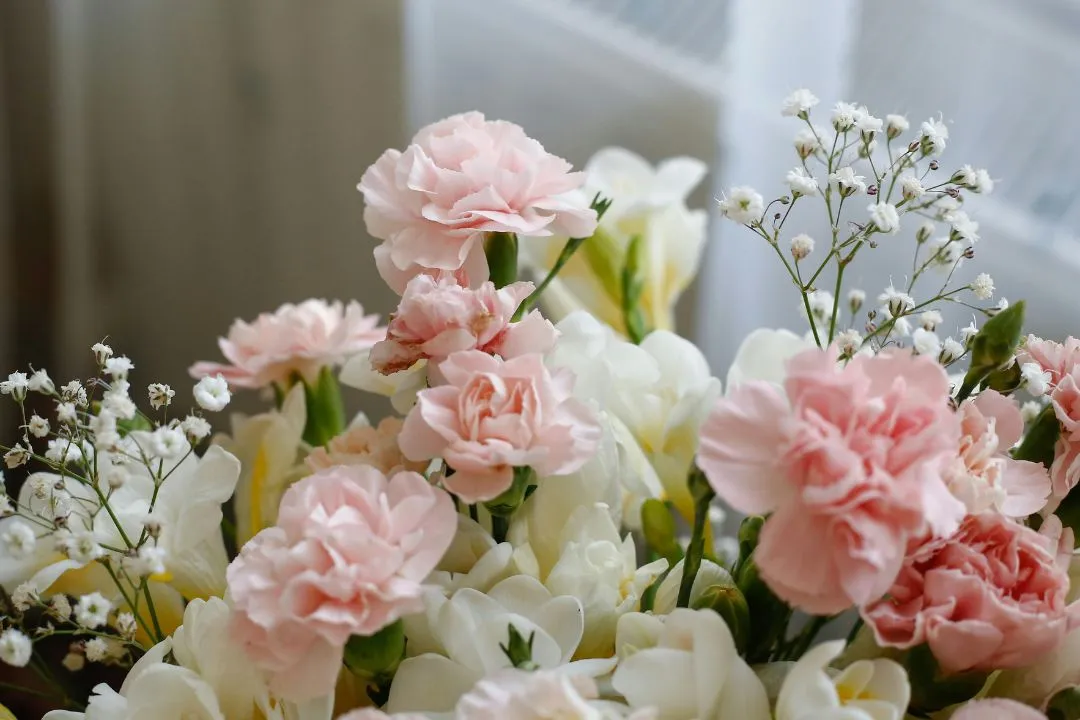

Flowers are among the most recognizable and beautiful parts of the natural world. They add color to gardens, decorate homes, support pollinators, and play an important role in cultural celebrations around the world. From familiar roses and lilies to unusual tropical blooms, every flower has distinctive characteristics that make it interesting. Learning flowers name can also be useful for children, students, gardeners, travelers, and anyone who wants to understand plants more easily.
The world of flowers is remarkably diverse. Some varieties grow best in cool weather, while others thrive under warm sunlight and humid conditions. Certain flowers are cultivated mainly for their appearance, whereas others are valued for fragrance, traditional uses, landscaping, or attracting bees and butterflies. Understanding different flower names and their basic features makes it easier to choose suitable plants and appreciate their role in nature.
Why Learning Flower Names Is Useful
Knowing different flowers name is more than a simple vocabulary exercise. For students, it can improve knowledge of plants and nature, while gardeners can use flower names to identify varieties and understand their growing requirements. A person who knows the name of a flower can more easily research its soil, sunlight, watering, flowering season, and maintenance needs.
Flower names are also useful in everyday communication. When someone describes a garden, bouquet, wedding arrangement, or landscape, identifying individual flowers makes the description clearer. For example, saying that a garden contains roses, marigolds, jasmine, and hibiscus provides much more information than simply calling them colorful plants.
Popular Flowers and Their Characteristics
There are thousands of flowering plant species, but some are especially familiar because they are widely cultivated and recognized. Roses are associated with ornamental gardens and bouquets, while sunflowers are known for their large blooms and bright appearance. Marigolds are popular in many Indian gardens and celebrations, and jasmine is appreciated for its strong fragrance.
The following table introduces several commonly known flowers and a basic characteristic associated with each one.
| Flower | Common Characteristic | Typical Use |
|---|---|---|
| Rose | Fragrant, layered petals | Gardens and bouquets |
| Sunflower | Large yellow flower head | Gardens and decoration |
| Lotus | Aquatic flowering plant | Ponds and cultural settings |
| Jasmine | Strong, pleasant fragrance | Gardens and traditional use |
| Marigold | Bright yellow or orange blooms | Decoration and gardens |
| Hibiscus | Large, colorful flowers | Ornamental gardening |
| Tulip | Cup-shaped flowers | Gardens and floral displays |
| Lily | Elegant flowers with many forms | Decoration and gardens |
| Daisy | Simple flower with central disk | Lawns and gardens |
| Orchid | Diverse and distinctive blooms | Indoor and ornamental growing |
Flowers Name for Gardens and Home Spaces
Choosing flowers for a garden depends on climate, available space, sunlight, soil conditions, and maintenance preferences. A small balcony may be better suited to flowers that grow well in containers, while a large outdoor garden can accommodate spreading plants, shrubs, and seasonal varieties. Understanding the characteristics behind different flowers name helps gardeners make practical choices instead of selecting plants based only on appearance.
Roses, marigolds, petunias, zinnias, chrysanthemums, and hibiscus are examples of flowers commonly grown for decorative purposes. Some require several hours of sunlight, while others can tolerate partial shade. Gardeners should also consider how frequently a plant blooms and whether it is suitable for the local climate. In warm regions, selecting varieties adapted to heat can make maintenance easier and improve flowering.
Flowers for Balconies and Small Gardens
People living in apartments or homes with limited outdoor space can still create attractive flower displays. Container gardening allows plants to be grown in pots, window boxes, hanging baskets, and other compact arrangements. Petunias, geraniums, marigolds, impatiens, and some smaller varieties of roses can work well when their individual growing requirements are met.
The most important consideration is not simply the size of the flower but the growth habit of the plant. A flower that eventually becomes large or spreads aggressively may not be suitable for a narrow balcony. Containers also dry out faster than garden soil, so watering requirements need to be considered carefully. Choosing plants according to the available light and space creates a healthier and more manageable display.
Flowers Name According to Seasons
Different flowers bloom at different times of the year. Seasonal flowering is influenced by temperature, daylight, rainfall, and local growing conditions. Some plants produce flowers during cooler months, while others perform best during spring or summer. This seasonal diversity allows gardens to remain visually interesting throughout the year.
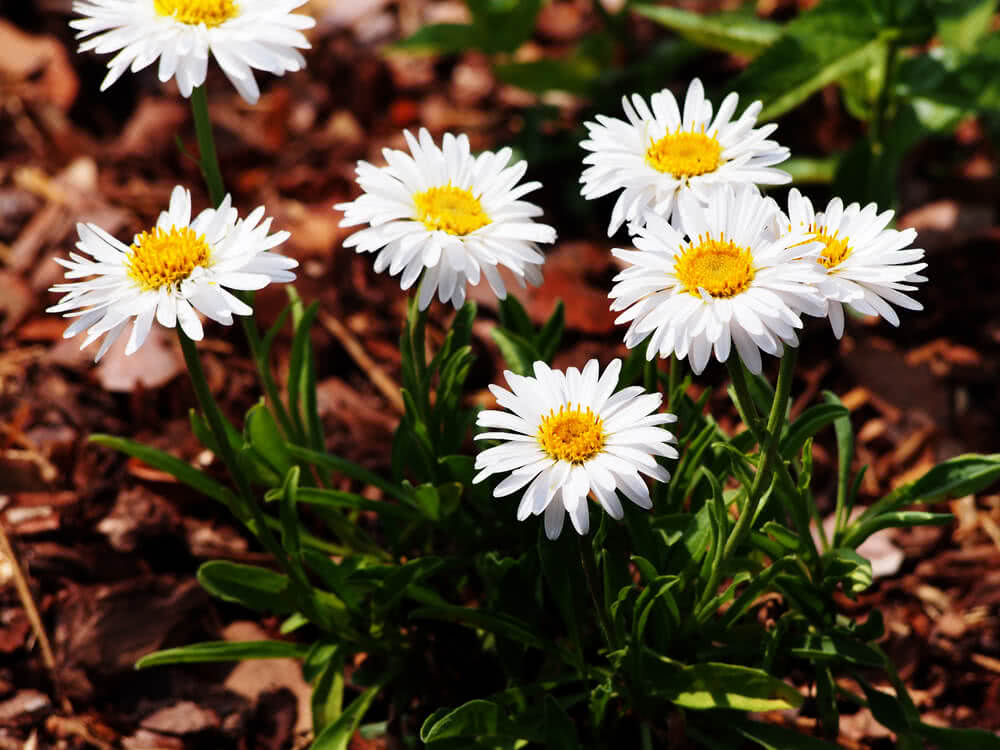
In many parts of India, marigolds and chrysanthemums are commonly associated with cooler-season gardening, while hibiscus and several tropical flowering plants can perform well during warmer periods. However, flowering times can vary considerably by region and variety. A gardener should therefore check the requirements of the particular plant rather than relying only on a general seasonal label.
Spring and Summer Flowers
Spring is often associated with fresh growth and abundant flowering. Depending on the region, gardeners may grow roses, petunias, zinnias, lilies, and other ornamental plants during favorable conditions. Summer brings additional choices, particularly in warmer climates where heat-tolerant flowers can continue producing blooms.
Sunflowers are a popular summer choice because of their striking appearance and ability to thrive in suitable sunny conditions. Hibiscus is another familiar warm-weather flower that can provide repeated blooms when grown under appropriate conditions. Regular watering, suitable soil, and adequate sunlight remain important regardless of the season.
Flowers for Cooler Months
Cooler weather can create favorable conditions for a different collection of flowering plants. Chrysanthemums, pansies, calendula, and certain varieties of dianthus are examples of flowers often grown during cooler periods in suitable climates. Their colors can add variety to gardens when many warm-season plants become less active.
The ideal planting time differs according to geographical location. A flower that performs well during winter in one region may have a different growing period elsewhere. Local temperature patterns are therefore more useful than a universal calendar when planning seasonal flower beds.
Flowers Name and Their Meanings
Flowers have developed symbolic meanings across different cultures and traditions. Roses, for example, are frequently associated with love and affection, while lilies may be connected with purity or remembrance in particular cultural contexts. Lotuses have important cultural and spiritual associations in several Asian traditions, while sunflowers are often linked with brightness, warmth, and positivity.
These meanings are not universal rules. The symbolism of a particular flower can change between cultures, historical periods, colors, and occasions. Even within the same flower family, different colors may carry different associations. This makes floral symbolism an interesting subject rather than a fixed dictionary of meanings.
Fragrant Flowers and Their Appeal
Fragrance is one of the most noticeable characteristics of many flowering plants. Jasmine, rose, gardenia, tuberose, lavender, and several other flowers are appreciated for their distinctive scents. Fragrant plants can make outdoor spaces more enjoyable, especially when positioned near entrances, windows, seating areas, or pathways.
However, fragrance varies according to species, variety, weather, and time of day. Some flowers release stronger scents during particular periods, while others have only a mild aroma. Gardeners interested in fragrance should therefore consider the specific variety rather than assuming that every flower with the same common name will smell identical.
Flowers That Attract Bees and Butterflies
Flowering plants are important components of many ecosystems because they provide resources for pollinators. Bees, butterflies, moths, and other insects may visit flowers for nectar or pollen. Planting a diverse selection of flowering species can provide food sources across different flowering periods.
For people creating pollinator-friendly gardens, it can be useful to select flowers with different shapes, colors, and blooming periods. Some practical choices include marigolds, zinnias, lavender, sunflowers, cosmos, and native flowering plants suited to the local area.
A simple pollinator garden can include:
- Flowers that bloom during different parts of the year.
- Plants with varied flower shapes and colors.
- Native species suited to the local environment.
- Several flowering plants grouped together rather than only one isolated plant.
The goal is to create a varied habitat rather than simply choosing flowers because they look attractive. Avoiding unnecessary pesticide use and providing suitable water or shelter can also support garden biodiversity.
How to Remember Different Flower Names
Learning flowers name becomes easier when names are connected with visual features and real examples. Instead of memorizing a long list without context, learners can group flowers according to color, shape, habitat, season, or fragrance. For example, lotus can be remembered as an aquatic flower, sunflower through its large yellow head, and jasmine through its distinctive fragrance.
Pictures, garden visits, flashcards, and simple classification activities can make learning more memorable. Children can also create a small notebook containing a flower’s name, drawing, color, flowering season, and one interesting fact. This approach combines vocabulary with practical observation and encourages curiosity about the natural world.
Common Flower Categories
Flowers can be classified in several practical ways. Gardeners may group them according to annual, biennial, or perennial growth habits, while botanists use more detailed scientific classifications. For everyday learning, categories based on habitat and growth behavior are often easier to understand.
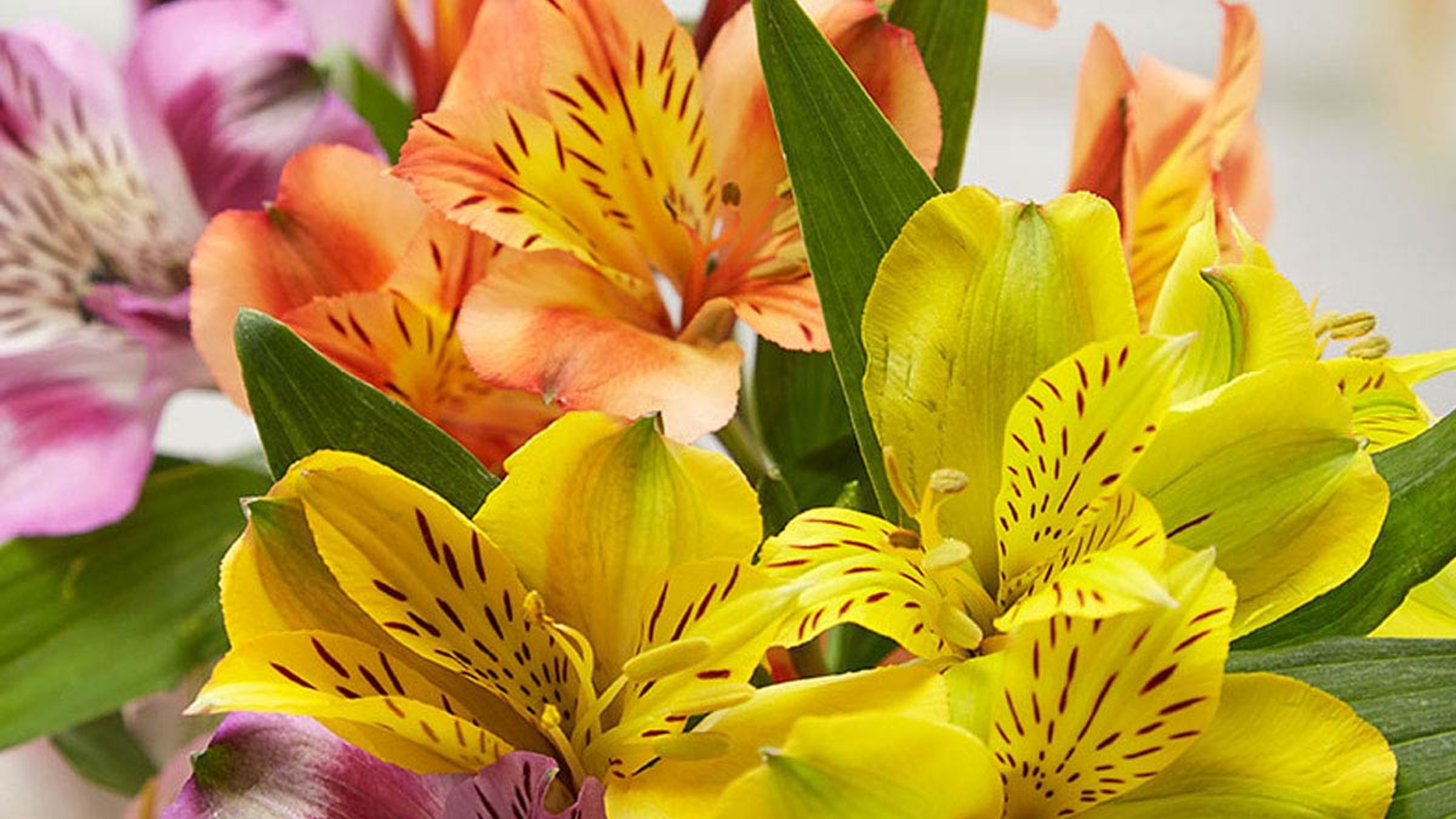
Annual flowers generally complete their life cycle within one growing season, while perennial plants can survive for multiple years under suitable conditions. Some flowers grow from bulbs, some develop on shrubs, and others grow on vines or aquatic plants. Understanding these differences helps explain why two flowers with similar-looking blooms may require completely different care.
Choosing the Right Flowers for Your Garden
Selecting flowers should begin with the growing conditions rather than the desired color alone. Sunlight is one of the most important factors because some plants need several hours of direct light while others prefer shade or filtered light. Soil drainage, temperature, humidity, container size, and watering availability are also important.
It is also useful to consider how much maintenance you can provide. A busy gardener may prefer hardy, relatively low-maintenance varieties, whereas an experienced enthusiast may enjoy plants requiring more detailed care. By matching the flower to the environment, gardeners can improve the chances of healthy growth and regular flowering.
Conclusion
Learning flowers name opens the door to a wider understanding of gardening, nature, plant diversity, and cultural traditions. From roses and jasmine to lotus, sunflower, marigold, orchid, and hibiscus, every flower offers distinctive colors, shapes, fragrances, and growing characteristics. Knowing their names makes it easier to identify plants and understand why different varieties are suitable for different environments. Flowers also contribute far more than visual beauty. They support pollinators, enrich gardens, provide seasonal interest, and hold cultural significance in communities around the world. Whether you are a student building basic vocabulary, a gardener planning a new flower bed, or simply someone interested in nature, exploring different flowers name can turn a simple list of plants into a fascinating journey through the diversity of the natural world.