


Introduction
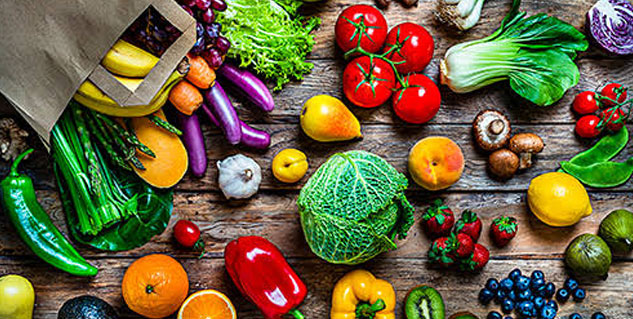
Vegetables are an important part of a balanced and healthy diet. They come in different colors, shapes, sizes, textures, and flavors, making everyday meals more enjoyable and nutritious. From leafy greens such as spinach and cabbage to root vegetables such as carrot and radish, every vegetable offers its own combination of nutrients. Learning different vegetables name can also make grocery shopping, meal planning, and cooking easier, especially for children and beginners who are trying to understand food groups. Vegetables can be eaten raw, steamed, boiled, roasted, grilled, fried, or added to soups, salads, curries, sandwiches, and other dishes. A colorful plate usually provides a wider variety of nutrients. Including different vegetables regularly can support overall well-being while adding natural flavor, fiber, vitamins, and minerals to meals.
What Are Vegetables?
Vegetables are edible parts of plants that are commonly used as food. Depending on the plant, the edible portion may be a leaf, root, stem, flower, bulb, fruit, or seed. For example, spinach is mainly eaten for its leaves, carrot for its root, and cauliflower for its flower-like head. Although some foods that are botanically fruits are commonly treated as vegetables in cooking, the culinary classification is usually based on taste and use.
Vegetables are valued because they generally provide fiber, vitamins, minerals, water, and various plant compounds. They can help add volume and variety to meals without making them unnecessarily heavy. Fresh vegetables are popular, but frozen and properly stored vegetables can also be useful choices. The best approach is to include a broad variety rather than depending on only one type.
Common Vegetables Name List
There are hundreds of vegetables grown and eaten around the world. Some are familiar in almost every household, while others are more common in particular regions. The following table provides a simple collection of popular vegetables and their general categories.
| Vegetable | Main Type | Common Uses |
|---|---|---|
| Carrot | Root | Salad, soup, curry, juice |
| Potato | Tuber | Curry, fries, mashed dishes |
| Spinach | Leafy green | Curry, soup, salad |
| Cabbage | Leafy | Salad, stir-fry, curry |
| Cauliflower | Flower | Curry, roasted dishes |
| Broccoli | Flower | Steaming, soup, stir-fry |
| Radish | Root | Salad, curry, pickle |
| Beetroot | Root | Salad, juice, curry |
| Onion | Bulb | Curry, salad, sauces |
| Garlic | Bulb | Seasoning, sauces, curries |
| Peas | Seed | Rice, curry, soup |
| Green beans | Pod | Stir-fry, curry, salad |
| Bell pepper | Fruit vegetable | Pizza, salad, stir-fry |
| Eggplant | Fruit vegetable | Curry, roasting, grilling |
| Pumpkin | Fruit vegetable | Soup, curry, baking |
| Sweet corn | Seed | Salad, soup, snacks |
Root Vegetables
Root vegetables grow below or partly below the soil and are widely used in traditional cooking. Carrots, radishes, beets, turnips, and sweet potatoes are common examples. They can have naturally sweet, earthy, spicy, or mild flavors. Many root vegetables are versatile because they can be roasted, boiled, steamed, grated, added to soups, or cooked into curries.
Carrots are particularly popular because they can be eaten raw or cooked and have a naturally crisp texture. Radishes are often used in salads and regional dishes, while beetroot is known for its deep color and earthy taste. Root vegetables can make meals more filling and provide useful dietary fiber along with various vitamins and minerals. Washing them properly and removing damaged portions before preparation is an important part of safe food handling.
Leafy Green Vegetables
Leafy greens are another important group. Spinach, kale, lettuce, cabbage, mustard greens, and fenugreek leaves are examples found in different cuisines. These vegetables can be included in salads, soups, sandwiches, stir-fries, and cooked dishes.
Leafy greens are often appreciated for their nutrient content and relatively low energy density. They can add freshness, texture, and color to meals. Because leaves can collect dirt and soil, they should be washed thoroughly before cooking or eating. Some leafy vegetables are commonly eaten raw, while others are more suitable for cooking. Combining leafy greens with other vegetable groups can create meals with greater variety and different textures.
Cruciferous Vegetables
Broccoli, cauliflower, cabbage, Brussels sprouts, and related vegetables belong to the cruciferous group. These vegetables are popular in many cuisines because they work well with different cooking methods. Broccoli can be steamed or stir-fried, cauliflower can be roasted or prepared as a curry, and cabbage can be used in salads and cooked dishes.
Cruciferous vegetables are known for containing fiber, vitamins, minerals, and naturally occurring plant compounds. Their flavor can change significantly depending on preparation. Light cooking may preserve a crisp texture, while roasting can create a deeper flavor. Adding herbs, spices, garlic, or other ingredients can make these vegetables more appealing to people who are not accustomed to eating them regularly.
Bulb and Stem Vegetables
Bulb vegetables include onions, garlic, and similar plants, while celery and asparagus are examples of stem vegetables. These foods are especially useful for adding flavor and texture to recipes. Onions are used in countless dishes as a basic ingredient, while garlic is frequently used as a seasoning.
 Stem vegetables can be eaten raw or cooked depending on the variety. Celery is often included in salads and soups, while asparagus can be grilled, steamed, or roasted. These vegetables demonstrate that nutritious ingredients do not have to be complicated to prepare. A simple combination of vegetables, herbs, spices, and a suitable cooking method can create a flavorful meal.
Fruit Vegetables
Some foods are botanically fruits but are commonly prepared and eaten as vegetables. Tomatoes, cucumbers, eggplants, pumpkins, zucchini, and bell peppers are common examples. They are widely used in salads, curries, soups, sauces, roasted dishes, and stir-fries.
Tomatoes contribute moisture and acidity to recipes, while bell peppers add sweetness and color. Eggplant has a soft texture after cooking and can absorb the flavors of spices and sauces. Pumpkin is often used in soups, curries, and baked dishes. Understanding these culinary categories makes it easier to explore different vegetables name while learning how plants are classified scientifically and how they are actually used in kitchens.
Nutritional Importance of Vegetables
Vegetables can provide several nutrients that are important for everyday health. Different vegetables contain different combinations of fiber, vitamins, minerals, and plant compounds, which is why variety is more useful than relying on a single food.
Fiber is particularly valuable because it contributes to normal digestive function and can help make meals more satisfying. Vegetables also contain substantial amounts of water, depending on the variety. Leafy greens may contribute certain vitamins and minerals, while orange and red vegetables can provide different naturally occurring compounds.
The nutritional value can be influenced by preparation. Overcooking may affect some nutrients and change texture, while gentle steaming can provide a balance between cooking and maintaining texture. Eating a mixture of raw and cooked vegetables can be a practical way to enjoy different flavors and preparations.
How to Choose Fresh Vegetables
Choosing fresh vegetables can improve the taste and quality of meals. Although freshness varies by vegetable, there are some simple observations that can help during shopping. Look for vegetables that appear reasonably firm, clean, and free from extensive bruising, mold, or unusual soft spots.
Leafy vegetables should generally look fresh rather than excessively wilted. Root vegetables should not have extensive decay or damaged areas. Broccoli and cauliflower are usually best when their heads appear firm and their surfaces are free from significant discoloration.
It is also useful to purchase quantities that can be consumed within a reasonable period. Buying too much can lead to unnecessary food waste. Proper refrigeration and storage according to the type of vegetable can help maintain quality for longer.
Ways to Include More Vegetables in Daily Meals
Adding vegetables to everyday meals does not require complicated recipes. Small changes can gradually increase variety and make meals more colorful. Vegetables can be added to breakfast dishes, sandwiches, rice, pasta, soups, wraps, curries, and salads.
For example, chopped spinach can be added to an omelet, carrots can be included in a salad, and peas can be mixed into rice. Roasting vegetables with herbs and spices is another simple option. A vegetable soup can combine several varieties in one dish, while a mixed salad can provide different colors and textures.
Children may also enjoy vegetables more when they are presented in interesting shapes or combined with familiar foods. Trying one new vegetable at a time can make the experience easier and encourage broader food preferences.
Vegetables for Different Cooking Styles
Different vegetables work better with particular cooking methods. Some are excellent when eaten raw, while others become softer and more flavorful after cooking. Choosing the right method can make a major difference in taste and texture.
| Cooking Method | Suitable Vegetables | Result |
| Steaming | Broccoli, beans, carrots | Tender and light |
| Roasting | Potato, pumpkin, cauliflower | Rich and slightly crisp |
| Stir-frying | Bell pepper, cabbage, beans | Crisp and flavorful |
| Boiling | Potato, peas, corn | Soft and simple |
| Grilling | Eggplant, zucchini, bell pepper | Smoky and tender |
| Raw | Cucumber, carrot, lettuce, radish | Crisp and refreshing |
The key is not to use the same preparation for every vegetable. Experimenting with different methods can help people discover new favorite foods.
Tips for Building a Colorful Vegetable Plate
A colorful meal is not simply attractive; it can also encourage greater variety. Different colored vegetables often contain different naturally occurring compounds. Instead of choosing only one vegetable every day, try combining several colors throughout the week.
Red tomatoes, orange carrots, green spinach, purple cabbage, and yellow or green peppers can all bring different flavors and textures to a meal. Variety can also prevent meals from becoming repetitive.
A practical approach is to include at least two or three different vegetables in a main meal whenever possible. This does not mean every meal needs to be complicated. Even a simple combination of cooked vegetables and a fresh salad can provide variety.
Why Learning Vegetables Name Is Useful
Learning vegetables name is helpful for students, parents, cooks, and anyone interested in improving their food knowledge. Children can use vegetable names to expand their vocabulary and learn about plants, colors, and nutrition. Adults can use this knowledge when planning weekly meals or creating shopping lists.
Knowing a wider range of vegetables can also encourage people to try foods from different cultures. Many vegetables are prepared differently around the world, so learning their names can become the starting point for discovering new recipes and cooking traditions. It can also make communication easier when shopping or discussing ingredients.
Conclusion
Vegetables are diverse, versatile, and valuable ingredients that can fit into almost every style of cooking. From roots and leafy greens to bulbs, stems, cruciferous varieties, and fruit vegetables, each group offers different flavors and textures. Exploring different vegetables name can make meal planning more interesting while encouraging greater variety in everyday food choices. Fresh vegetables can be enjoyed raw, steamed, roasted, grilled, boiled, or incorporated into soups, salads, curries, and other dishes. Rather than focusing on one particular vegetable, aim for variety, different colors, and seasonal choices. With simple preparation methods and thoughtful storage, vegetables can become an easy and enjoyable part of regular meals.