

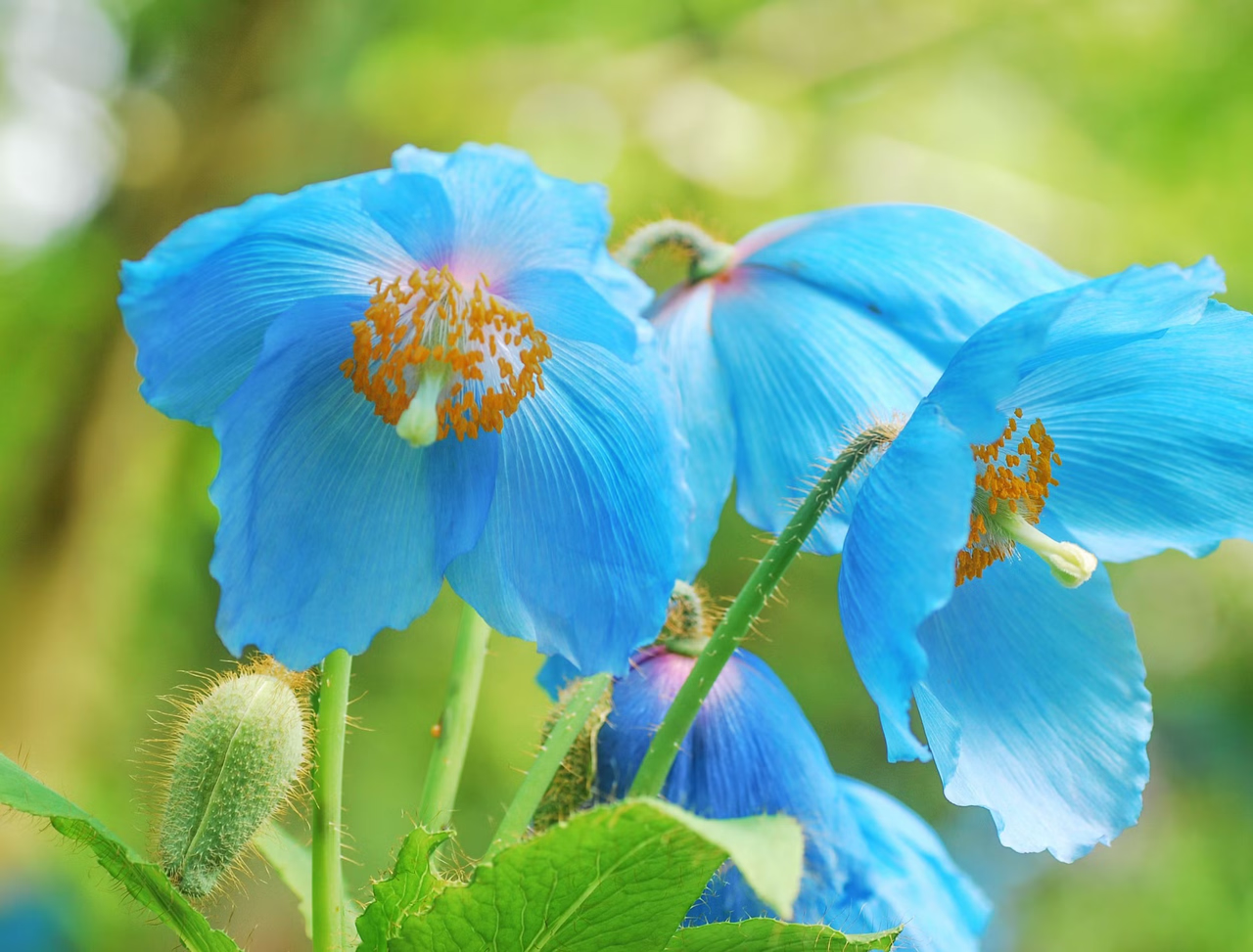

Flowers are among the most beautiful parts of nature, bringing color, fragrance, and life to gardens, homes, parks, and public spaces. From delicate roses to bright sunflowers, every flower has its own appearance, growing requirements, and cultural significance. Some flowers are admired for their pleasant fragrance, while others stand out because of their unusual shapes, vibrant petals, or ability to attract butterflies and bees. Learning about different flowers can help people choose suitable plants for gardening, decoration, gifting, and landscaping.
Knowing a flowers name is also useful for students, gardening enthusiasts, nature lovers, and anyone who wants to expand their knowledge of plants. Flowers are commonly used in festivals, weddings, religious ceremonies, birthday celebrations, and other important occasions. In India, flowers such as marigolds, jasmine, roses, and lotuses have a special place in everyday life and traditional celebrations. Internationally, flowers like tulips, lilies, orchids, and carnations are equally popular for their beauty and versatility.
This guide explores 50 popular flowers, including their colors, characteristics, meanings, and common uses. It also explains how to select flowers for different purposes and provides practical information about growing and caring for flowering plants. Whether you want to identify a flower, decorate your home, or create a colorful garden, understanding these varieties will help you make better choices.
What Are Flowers and Why Are They Important?
Flowers are the reproductive structures of flowering plants, scientifically known as angiosperms. They play an essential role in plant reproduction by supporting pollination and the development of seeds and fruits. Many flowers attract pollinators such as bees, butterflies, birds, and other insects through their colors, shapes, nectar, and fragrance. This natural process supports biodiversity and contributes to healthy ecosystems.
Beyond their biological importance, flowers have significant cultural, emotional, and economic value. They are used in perfumes, cosmetics, traditional remedies, floral arrangements, and garden design. A bouquet can express affection, appreciation, sympathy, or congratulations without requiring many words. Flowers also support livelihoods through commercial cultivation, nursery businesses, floriculture, and the sale of fresh blooms. Their beauty makes them a meaningful part of both everyday life and special celebrations.
50 Popular Flowers Name With Their Colors and Uses
Different flowers offer different advantages depending on their appearance, fragrance, growing conditions, and intended purpose. Some are suitable for indoor decoration, while others grow best in open gardens with plenty of sunlight. The following table introduces 50 widely recognized flowers and highlights their common colors and notable characteristics.
| No. | Flower Name | Common Colors | Main Characteristics or Uses |
|---|---|---|---|
| 1 | Rose | Red, pink, white, yellow | Gifts, bouquets, fragrance |
| 2 | Sunflower | Yellow, golden | Bright appearance, pollinator attraction |
| 3 | Lotus | Pink, white | Aquatic gardens, cultural significance |
| 4 | Jasmine | White, cream | Fragrance, garlands |
| 5 | Marigold | Yellow, orange | Festivals, borders, decorations |
| 6 | Tulip | Red, pink, purple, yellow | Spring gardens, bouquets |
| 7 | Lily | White, pink, orange | Floral arrangements |
| 8 | Orchid | Purple, white, pink | Indoor decoration, exotic appearance |
| 9 | Hibiscus | Red, pink, yellow | Tropical gardens, ornamental planting |
| 10 | Daisy | White, yellow, pink | Garden borders, simple bouquets |
| 11 | Lavender | Purple, blue-violet | Fragrance, ornamental gardens |
| 12 | Daffodil | Yellow, white | Spring displays |
| 13 | Chrysanthemum | White, yellow, red, purple | Pots, bouquets, seasonal displays |
| 14 | Carnation | Pink, red, white | Gifts, floral arrangements |
| 15 | Petunia | Purple, pink, white | Pots, hanging baskets |
| 16 | Geranium | Red, pink, white | Window boxes, containers |
| 17 | Pansy | Purple, yellow, blue | Cool-season gardens |
| 18 | Zinnia | Orange, pink, red | Summer gardens, pollinators |
| 19 | Dahlia | Red, pink, yellow, purple | Decorative blooms |
| 20 | Bougainvillea | Magenta, pink, orange | Walls, fences, landscaping |
| 21 | Periwinkle | Pink, white, purple | Ground cover, borders |
| 22 | Morning Glory | Blue, purple, pink | Climbing plants, trellises |
| 23 | Magnolia | White, pink, purple | Ornamental trees and shrubs |
| 24 | Plumeria | White, yellow, pink | Fragrance, tropical gardens |
| 25 | Aster | Purple, pink, white | Late-season garden color |
| 26 | Calendula | Orange, yellow | Flower beds, containers |
| 27 | Sweet Pea | Pink, purple, white | Fragrant garden displays |
| 28 | Foxglove | Purple, pink, white | Ornamental cottage gardens |
| 29 | Bleeding Heart | Pink, white | Shaded gardens |
| 30 | Anemone | Red, purple, white | Garden beds, bouquets |
| 31 | Freesia | Yellow, pink, white | Fragrant floral arrangements |
| 32 | Gladiolus | Red, pink, white | Tall borders, cut flowers |
| 33 | Snapdragon | Red, yellow, pink | Garden borders |
| 34 | Cosmos | Pink, white, purple | Informal gardens |
| 35 | Nasturtium | Orange, yellow, red | Containers, edible flowers |
| 36 | Verbena | Purple, pink, red | Ground cover, pollinator gardens |
| 37 | Begonia | Red, pink, white | Shaded pots, indoor displays |
| 38 | Impatiens | Pink, orange, white | Shady flower beds |
| 39 | Gardenia | White, cream | Fragrance, ornamental shrubs |
| 40 | Camellia | Pink, red, white | Shrub gardens |
| 41 | Bluebell | Blue, violet | Woodland-style gardens |
| 42 | Hydrangea | Blue, pink, white, purple | Shrubs, decorative displays |
| 43 | Yarrow | Yellow, pink, white | Pollinator gardens |
| 44 | Coneflower | Purple, pink, white | Wildlife-friendly gardens |
| 45 | Black-eyed Susan | Yellow, golden | Borders, pollinator planting |
| 46 | Ranunculus | Pink, red, yellow, white | Bouquets, ornamental beds |
| 47 | Tuberose | White | Fragrance, ceremonial garlands |
| 48 | Night-blooming Jasmine | White | Evening fragrance |
| 49 | Kalanchoe | Red, pink, orange | Indoor pots, compact displays |
| 50 | Bird of Paradise | Orange, blue | Tropical landscaping |
The colors listed above are common examples rather than an exhaustive description of every variety. Many flowers are available in additional shades because of natural variation and selective cultivation. Growing conditions can also affect the size, color intensity, and overall appearance of blooms.
Different Types of Flowers and Their Characteristics
1. Roses: Classic Flowers for Every Occasion
Roses are among the world’s most recognizable flowers because of their layered petals, attractive colors, and wide range of varieties. Red roses are traditionally associated with romantic love, while yellow roses often represent friendship and cheerful feelings. White roses are commonly used at weddings and formal ceremonies, and pink roses are frequently chosen to express gratitude or admiration. Their versatility makes them suitable for bouquets, gardens, floral arrangements, and gifts.
Rose plants can grow as compact shrubs, climbing varieties, or larger garden bushes. Most roses prefer several hours of sunlight, well-draining soil, and regular watering that avoids waterlogging. Pruning, suitable feeding, and monitoring for pests can help maintain healthy growth. With proper care, roses can produce attractive flowers over an extended period, depending on the variety and local climate.
2. Sunflowers: Bright and Cheerful Garden Favorites
Sunflowers are easily recognized by their large flower heads and yellow petals surrounding a central disk. Some varieties grow several feet tall, while dwarf types are suitable for containers and smaller gardens. Their bright appearance makes them popular for home gardens, outdoor decorations, and floral arrangements. Sunflowers can also provide food for birds, and their nectar and pollen may attract pollinating insects.
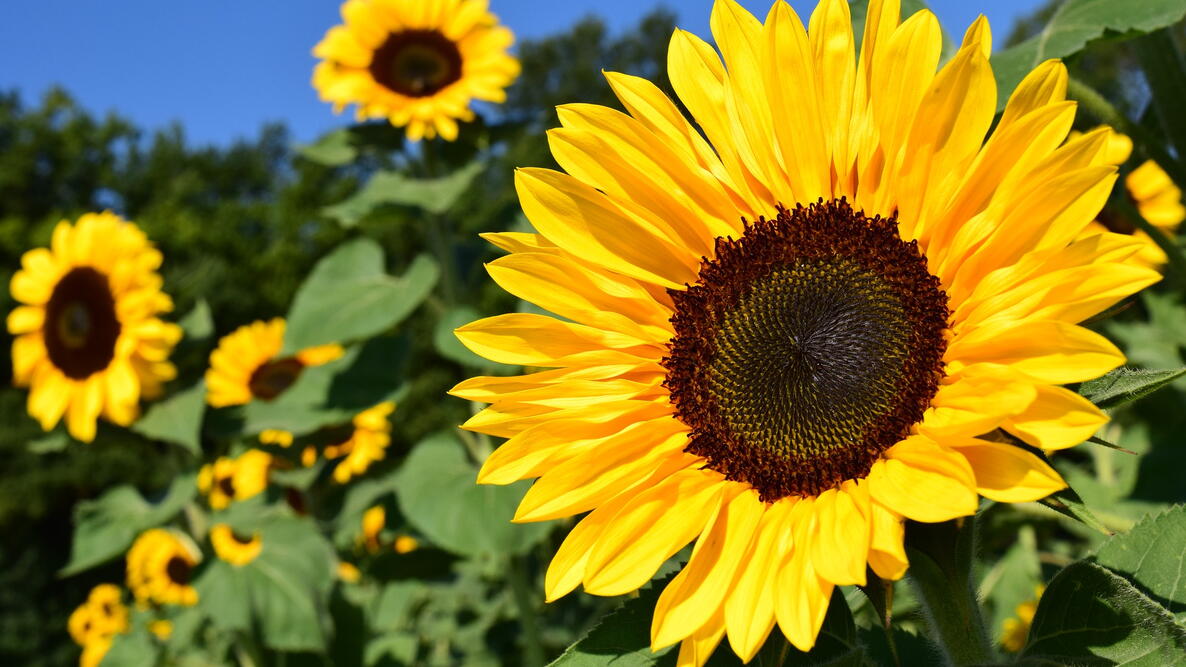
These plants generally grow best in sunny locations with adequate space and well-drained soil. Taller varieties may need support in windy areas, while regular watering is especially important during establishment and flowering. Gardeners can choose different varieties according to available space, desired height, and whether they want ornamental blooms or seed production.
3. Lotus and Jasmine: Flowers With Cultural Significance
Lotus flowers are admired for their graceful appearance and ability to grow in aquatic environments. Their broad leaves and distinctive blooms make them popular in ponds, water gardens, and ornamental landscapes. In India and several other Asian cultures, the lotus has strong symbolic associations with purity, beauty, and spiritual growth. Pink and white varieties are especially well known, although color and form differ among cultivated types.
Jasmine, by contrast, is appreciated for its delicate petals and fragrance. Many jasmine varieties are climbing plants or shrubs that produce small, star-shaped flowers. Their blooms are widely used in garlands, hair decorations, perfumes, and traditional celebrations. Some varieties release their strongest fragrance in the evening, making them appealing choices for courtyards, balconies, and gardens where people spend time outdoors.
4. Tulips and Lilies: Elegant Flowers for Decoration
Tulips are associated with spring and are known for their smooth, cup-shaped flowers. They are available in numerous colors, including red, pink, purple, yellow, and white. Their clean shape makes them suitable for modern floral arrangements, formal garden beds, and seasonal displays. Many tulip varieties grow from bulbs and require conditions appropriate to their particular climate and dormancy needs.
Lilies feature prominent flowers that may be trumpet-shaped, star-shaped, or outward-facing, depending on the variety. Their colors and patterns make them popular for bouquets and decorative gardens. Some lilies have a strong fragrance, while others are relatively mild. When selecting lilies, households with cats should take special care because true lilies and daylilies can cause severe, potentially fatal poisoning in cats, including from pollen and vase water.
5. Orchids and Hibiscus: Flowers With Distinctive Appearances
Orchids are a diverse group of flowering plants recognized for their unusual flower structures and long-lasting blooms in many cultivated varieties. They can be found in shades of white, purple, yellow, and pink, often with intricate markings. Some orchids grow naturally on trees, while others grow in soil or other substrates. Their care requirements vary considerably, so it is important to identify the specific type before choosing a watering or feeding routine.
Hibiscus flowers have large, showy petals and a prominent central reproductive structure. Tropical hibiscus varieties thrive in warm conditions and are often used in outdoor landscaping and container gardens. They can bring a bold splash of color to patios, balconies, and sunny garden corners. Adequate light, appropriate watering, and protection from unsuitable temperatures help many hibiscus plants produce healthy blooms.
How to Choose Flowers for Different Purposes
Selecting flowers becomes easier when you consider the occasion, environment, available space, and maintenance requirements. A flower that looks beautiful in a bouquet may not necessarily be the best choice for a shaded balcony or a low-maintenance garden. Likewise, some flowers have a stronger fragrance, while others are selected mainly for their appearance or ability to attract pollinators.
Here are a few practical considerations when selecting flowers:
-
For gifts: Roses, carnations, tulips, and lilies are popular choices for birthdays, anniversaries, and celebrations.
-
For home gardens: Marigolds, zinnias, petunias, and cosmos can add color to different garden layouts.
-
For fragrance: Jasmine, lavender, gardenia, and tuberose are valued for their scents.
-
For pollinators: Sunflowers, cosmos, coneflowers, and zinnias can provide useful floral resources when suitable varieties are planted.
It is also important to consider the climate in your area. A plant that thrives in a cool spring environment may struggle during a hot Indian summer, while tropical species may require protection in colder regions. Choosing plants suited to local temperatures and seasonal rainfall can reduce maintenance and improve flowering.
Popular Flowers in India and Their Uses
Flowers have an important place in Indian culture, festivals, ceremonies, and everyday decoration. Marigolds are frequently used in wedding decorations, religious offerings, and festive garlands because of their vibrant yellow and orange colors. Jasmine flowers are popular for their fragrance and traditional use in hair adornments and garlands. Roses are widely used for gifts and bouquets, while lotuses have cultural and religious significance in different communities.
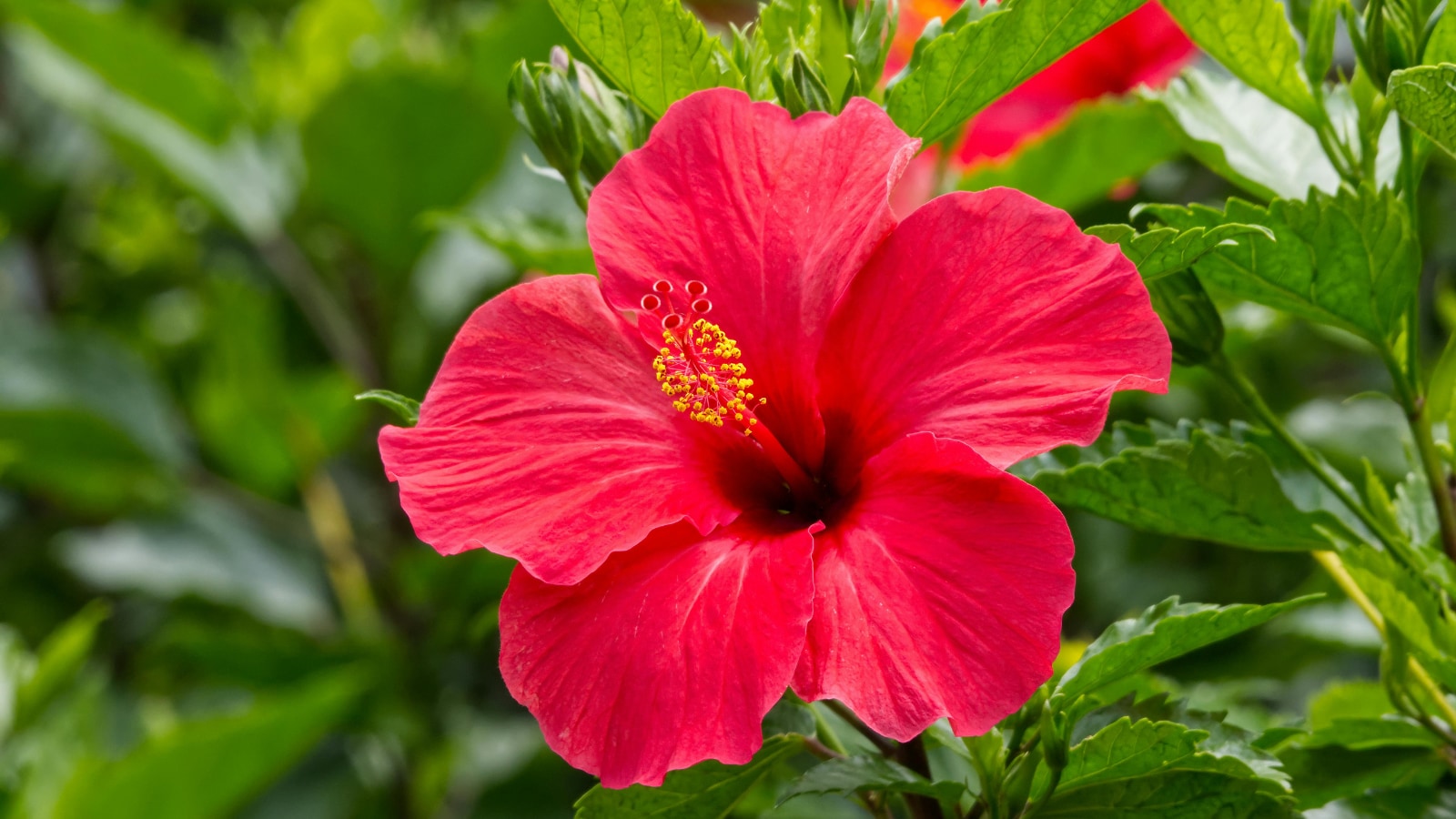
Regional climates also influence which flowers are commonly grown. In warmer areas, hibiscus, bougainvillea, periwinkle, and certain varieties of jasmine can perform well when planted in suitable conditions. Cooler winter months in many parts of India offer opportunities to grow seasonal flowers such as pansies, petunias, calendula, and chrysanthemums. Local nurseries can help gardeners identify varieties that are well adapted to their area’s soil, weather, and planting season.
Commercial flower cultivation is another important part of India’s horticultural sector. Flowers are grown for domestic markets, ceremonies, landscaping, and export-oriented businesses. Their availability and prices can change with seasonal demand, weather conditions, transport costs, and festival calendars. For home gardeners, buying healthy plants from reputable nurseries and selecting varieties appropriate to the season are practical ways to achieve better results.
Simple Tips for Growing Healthy Flowering Plants
Growing flowers successfully requires attention to sunlight, soil quality, watering, nutrients, and pest management. Different plants have different needs, so a single care routine will not suit every variety. Sun-loving flowers generally perform best in bright locations, while some begonias and impatiens prefer partial shade. Good drainage is essential for many flowering plants because constantly waterlogged soil can damage roots and encourage disease.
Container gardening is an accessible option for people with balconies, terraces, or limited outdoor space. Choose pots with drainage holes, use a suitable growing medium, and select plant sizes that match the container. Water according to the plant’s needs and current weather rather than following a rigid daily schedule. During hot weather, containers may dry out more quickly, while cool or rainy periods can reduce watering requirements.
Regularly removing dead flowers can improve the appearance of many plants and encourage further blooming in certain species. Balanced fertilization may support healthy growth, but excessive fertilizer can damage roots or produce abundant foliage at the expense of flowers. Inspect leaves and stems for pests, provide sufficient air circulation, and remove severely affected plant material when appropriate.
How to Identify an Unknown Flower
Identifying an unfamiliar flower becomes easier when you observe several features instead of relying on petal color alone. Examine the shape of the flower, the number and arrangement of its petals, the structure of its leaves, the height of the plant, and whether it grows as a shrub, vine, herb, or tree. Flowering season and habitat can also provide useful clues. For example, a plant growing in a pond has different likely characteristics from a flowering shrub growing in dry garden soil.
Photographs can help with identification, especially when they show the whole plant, close-up flower details, leaves, and stems. However, similar-looking flowers may belong to different species, and common names can vary by region. When accurate identification matters for gardening, toxicity, or medicinal use, consult a knowledgeable horticulturist or reliable plant identification reference. Never assume a plant is safe to eat or use as a remedy simply because it resembles a familiar flower.
Conclusion
Flowers bring beauty, fragrance, and ecological value to the world around us. From roses and tulips to marigolds, jasmine, orchids, and sunflowers, every variety offers distinctive characteristics that make it suitable for different settings and purposes. Understanding a flowers name along with its colors, growing needs, and common uses helps people make informed decisions when selecting plants for gifts, decorations, landscaping, and home gardening. Exploring a flowers name collection can also help students improve their botanical knowledge and encourage children and adults to observe nature more closely. Whether you prefer fragrant blooms, colorful seasonal plants, or flowers that attract pollinators, there are many varieties to suit different climates, spaces, and preferences. By choosing suitable plants and providing appropriate care, you can enjoy beautiful flowers while creating a more welcoming and nature-friendly environment.